Higher Jump: A Unique Display Font for Creative and Professional Use
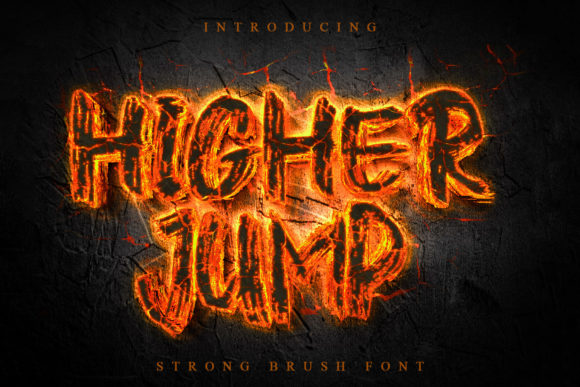
Higher Jump is a unique and interesting display font that brings a touch of personality and visual flair to any design project. With its quirky yet professional appearance, it stands out as a versatile option suitable for a wide range of contexts. Whether you're working on branding materials, digital content, or print media, Higher Jump can elevate your typography and capture attention effectively.
What Is Higher Jump?
Higher Jump is a display font known for its distinctive character and readability. It combines elements of modern sans-serif styles with a playful twist, making it both approachable and eye-catching. The font’s name itself suggests movement and elevation—qualities that translate well into its visual design. Each letterform is crafted with precision, ensuring that the font remains legible even at larger sizes or in complex layouts.
This font is particularly useful for headings, logos, advertisements, and other design elements where a strong visual impact is desired. Its versatility makes it an excellent choice for designers looking to add a unique touch without sacrificing clarity or professionalism.
Challenges and Goals in Typography
Typography plays a crucial role in communication, and choosing the right font can be a challenge. Designers often face the dilemma of selecting a font that is both aesthetically pleasing and functionally appropriate. Common goals include enhancing brand identity, improving readability, and creating a memorable visual impression.
In many cases, users may struggle with finding a font that balances creativity with usability. Traditional fonts can sometimes feel too generic, while overly stylized options might compromise legibility. This is where a font like Higher Jump comes into play—it offers a middle ground between uniqueness and practicality.
How Higher Jump Addresses These Challenges
Higher Jump helps address these challenges by providing a visually engaging yet readable option. Its quirky nature allows it to stand out, making it ideal for projects that require a bold statement. At the same time, the font maintains enough structure to ensure that text remains easy to read, even in smaller sizes or when used across different platforms.
For instance, if you’re designing a poster for a music festival, Higher Jump can serve as the headline font, drawing attention with its dynamic style. Similarly, in a corporate setting, it can be used sparingly for titles or call-to-action buttons to inject a sense of energy and innovation into otherwise traditional designs.
Practical Applications and Outcomes
The applications of Higher Jump are diverse, and its effectiveness can vary depending on the context in which it is used. Here are some practical scenarios where this font shines:
- Branding and Logos: Higher Jump can be used to create a memorable logo that reflects a brand’s personality. Its unique style helps differentiate a brand from competitors.
- Advertising Materials: In print or digital ads, the font can help grab attention and reinforce key messages through visual impact.
- Web Design: When used for headlines or section titles on websites, Higher Jump adds visual interest without overwhelming the user experience.
- Presentations and Brochures: Incorporating Higher Jump into slides or printed materials can enhance the overall aesthetic and make information more engaging.
Using Higher Jump in these contexts can lead to better engagement, stronger brand recognition, and a more polished visual presentation. It's important, however, to use it judiciously and pair it with complementary fonts to maintain balance in your design.
Different Approaches to Using Higher Jump
Depending on the designer’s preferences and the project’s requirements, Higher Jump can be approached in various ways. Some designers may prefer to use it as a primary font for headlines, while others might incorporate it as an accent to add visual contrast.
For example, a minimalist website might use Higher Jump for the main title and then switch to a clean sans-serif font for body text to ensure readability. On the other hand, a more artistic project could use Higher Jump throughout the layout, combining it with decorative elements to create a cohesive and dynamic look.
No matter how it's used, the key is to ensure that the font supports the message being conveyed. Higher Jump works best when it complements the content rather than overshadowing it.
Considerations for Implementation
Before implementing Higher Jump in your design, consider the following factors:
- Legibility: Ensure that the font remains readable in different sizes and environments. Test it on various devices and screen resolutions.
- Contrast: Pair Higher Jump with fonts that provide good contrast. Avoid using it with similar styles that may cause visual confusion.
- Context: Choose the right context for using Higher Jump. It may not be suitable for long blocks of text but excels in short, impactful statements.
- Licensing: Always check the licensing terms to ensure that you have the right to use the font in your intended application.
By keeping these considerations in mind, you can maximize the potential of Higher Jump and ensure that it enhances your design rather than detracts from it.
Higher Jump is more than just a font—it's a tool that can transform the way you communicate visually. Whether you're a designer, marketer, or content creator, incorporating this unique font into your work can help you stand out and make a lasting impression.