Spicy Fire: A Unique Display Font That Can Transform Your Creative Projects
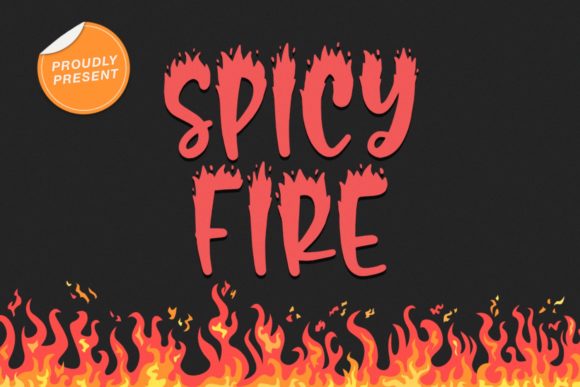
Spicy Fire is more than just a font—it's a bold statement. With its dynamic curves and sharp edges, this display font brings energy and personality to any design. Whether you're creating logos, headlines, or marketing materials, Spicy Fire can make your work stand out in a crowd. However, like any powerful tool, it requires careful consideration to use effectively. Let’s explore what Spicy Fire is, why it’s worth your attention, and how to avoid common pitfalls when incorporating it into your creative projects.
What Is Spicy Fire?
Spicy Fire is an incredibly unique and interesting display font that blends modern aesthetics with a fiery, energetic feel. Designed for visual impact, it features exaggerated letterforms that are perfect for grabbing attention. This font is ideal for short, punchy text such as headlines, titles, and call-to-action buttons. It adds flair and emotion to digital and print media alike.
Its versatility makes it suitable for a wide range of applications—from branding and web design to social media graphics and promotional material. The key is to understand its strengths and limitations before using it in your projects.
Common Mistakes When Using Spicy Fire
While Spicy Fire can elevate your designs, there are several common mistakes that can undermine its effectiveness. Here are some things to watch out for:
- Overusing the font: Spicy Fire is a display font, not a body font. Using it for long paragraphs or large blocks of text can be overwhelming and reduce readability.
- Ignoring contrast: Pairing Spicy Fire with other fonts without considering contrast can lead to a cluttered or unbalanced design. It’s important to choose complementary fonts that enhance rather than compete with Spicy Fire.
- Misjudging legibility: While Spicy Fire is eye-catching, its stylized letters may not be easily readable at smaller sizes. Always test the font across different devices and screen resolutions to ensure clarity.
- Not checking licensing: Before downloading or purchasing Spicy Fire, verify the license terms. Some fonts have restrictions on commercial use or require attribution, which could affect your project if overlooked.
How These Mistakes Can Impact Your Work
Each of these mistakes can have real consequences on the quality and success of your creative projects. Overusing Spicy Fire can make your designs look chaotic and unprofessional. Poor contrast choices might confuse viewers or dilute your message. If the font isn’t legible, your audience may struggle to read your content, leading to a loss of engagement or credibility. And failing to check licensing terms could result in legal issues or unexpected costs down the line.
These issues aren't just about aesthetics—they affect usability, communication, and even the professionalism of your brand. Taking the time to understand Spicy Fire’s proper use can save you from costly errors and help you achieve better results.
Practical Tips for Using Spicy Fire Effectively
To make the most of Spicy Fire, follow these practical tips:
- Use it sparingly: Reserve Spicy Fire for headings, titles, and short phrases where it can make an impact without overwhelming the viewer. For body text, choose a more readable sans-serif or serif font.
- Create contrast with other fonts: Pair Spicy Fire with a clean, simple font for body text. For example, combining it with a sans-serif like Helvetica or Arial can create a balanced and professional look.
- Test for legibility: Always preview your design on multiple devices and screen sizes. Ensure that the text remains clear and easy to read, even at smaller sizes.
- Check the license: Before using Spicy Fire in a commercial project, review the licensing agreement carefully. Understand whether you need to purchase additional licenses or provide attribution.
- Experiment with color and spacing: Play with different color combinations and letter spacing to enhance the visual appeal of Spicy Fire. Subtle adjustments can significantly improve the overall design.
What to Check Before Using Spicy Fire
Before deciding to use Spicy Fire in your project, consider the following factors:
- Purpose of the design: Will Spicy Fire fit the tone and message of your project? It works best for high-energy, attention-grabbing content.
- Target audience: Who are you designing for? If your audience prefers a more traditional or professional look, Spicy Fire may not be the best choice.
- Platform compatibility: Make sure the font is compatible with the platforms you'll be using—web, print, mobile apps, etc.
- Cost and licensing: Determine whether the cost of the font aligns with your budget and whether the license covers your intended use.
Real-World Examples and Better Approaches
Let’s look at a few examples of how Spicy Fire can be used effectively:
Example 1: A local restaurant wants to create a new logo. They choose Spicy Fire for the main title “Hot Bites,” paired with a clean sans-serif font for the tagline “Fresh, Fast, Flavorful.” The result is a bold yet readable logo that stands out on menus and signage.
Better approach: Avoid using Spicy Fire for the entire logo. Keep it reserved for the main title to maintain balance and clarity.
Example 2: A marketing team uses Spicy Fire for a social media campaign promoting a new product launch. The headline “Unleash the Flame” grabs attention, while the supporting text uses a more neutral font for readability.
Better approach: Test the font size and color on various screens to ensure it looks good across all devices and doesn’t get lost in the background.
Final Thoughts
Spicy Fire is an incredibly unique and interesting display font that can add flair and personality to your creative projects. However, its power comes with responsibility. By avoiding common mistakes and understanding its proper use, you can ensure that Spicy Fire enhances rather than hinders your designs. Take the time to experiment, test, and refine your approach, and you’ll discover how this font can truly make your ideas stand out.