Sweet Disposition: A Casual Display Font for Creative Projects
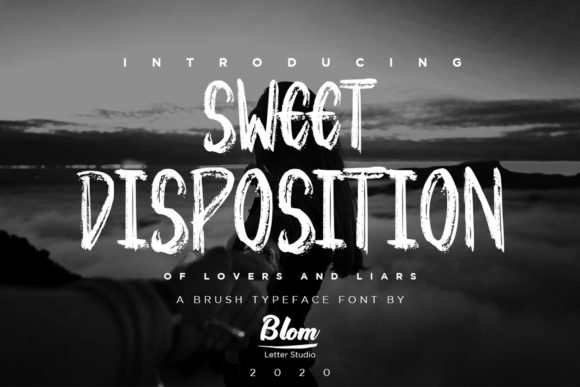
Looking for a font that adds personality to your designs without overwhelming the message? Sweet Disposition is a casual display font that brings charm and character to logos, branding, social media posts, and DIY projects. Created using a brush pen, this font strikes a balance between clean aesthetics and playful quirks, making it a versatile choice for creative professionals and hobbyists alike.
What Makes Sweet Disposition Unique?
Sweet Disposition is designed with a hand-drawn feel, giving it an organic and approachable look. Its soft curves and gentle variations in stroke width mimic the natural flow of a brush pen, adding warmth and visual interest. This makes it ideal for projects that require a friendly or artistic tone, such as invitations, packaging, blog headers, or personal branding.
Unlike more rigid sans-serif or serif fonts, Sweet Disposition has a relaxed structure that allows it to stand out while still being readable. It’s perfect for headlines, titles, or any text that needs to catch attention without being too formal.
Common Mistakes When Using Sweet Disposition
While Sweet Disposition can elevate your design, there are some common pitfalls that users often overlook. Understanding these can help you avoid unnecessary frustration and ensure your final output looks professional and polished.
Mistake 1: Overusing the Font
One of the most frequent mistakes is using Sweet Disposition for all text elements in a design. While it works well as a display font, it may not be suitable for long paragraphs or body text due to its stylized nature. This can make reading difficult and reduce overall readability.
Better Approach: Reserve Sweet Disposition for headlines, subheadings, or short phrases. Pair it with a more legible sans-serif or serif font for body text to maintain clarity and balance.
Mistake 2: Ignoring Kerning and Spacing
The quirky nature of Sweet Disposition means that spacing between letters (kerning) can significantly affect how the text appears. Poorly spaced text can look cluttered or unprofessional, especially when used in logos or brand identities.
Better Approach: Always take time to adjust kerning and letter spacing manually, especially when using the font in critical design elements like logos or taglines. Many design software tools offer auto-kerning features, but they may not always produce the best results for a custom font like Sweet Disposition.
Mistake 3: Not Checking License Terms
Before downloading or purchasing Sweet Disposition, it's essential to review the license agreement. Some fonts have restrictions on commercial use, number of devices, or redistribution. Failing to comply with these terms can lead to legal issues or unexpected costs later on.
Better Approach: Always read the licensing information carefully. If you're unsure about the terms, reach out to the font creator or distributor for clarification before using it in a professional setting.
How to Choose the Right Font for Your Project
Selecting the right font involves more than just choosing something that looks good. It requires considering the context, audience, and purpose of your project. Here are some tips to help you make an informed decision when using Sweet Disposition:
- Consider the Message: Does the font reflect the tone and intent of your content? Sweet Disposition is great for friendly, creative, or whimsical messages, but may not suit more formal or serious contexts.
- Think About Readability: Even though Sweet Disposition is visually appealing, it's important to ensure that it remains easy to read, especially for longer texts or smaller sizes.
- Test It Out: Try Sweet Disposition in different sizes, colors, and backgrounds to see how it performs across various mediums. What looks great on a website might not translate well to print or mobile screens.
Practical Tips for Using Sweet Disposition Effectively
To get the most out of Sweet Disposition, consider the following practical advice:
- Use It Sparingly: As mentioned earlier, this font should be used as a display font rather than for large blocks of text. Limit its use to headings, titles, or short phrases to maintain visual harmony.
- Pair It Wisely: Combine Sweet Disposition with complementary fonts that enhance its style without clashing. For example, pairing it with a clean sans-serif font like Helvetica or Arial can create a balanced and modern look.
- Experiment with Colors: The unique texture of Sweet Disposition can be enhanced with color choices that complement its hand-drawn feel. Soft pastels, muted tones, or even bold contrasting colors can bring out the font's character.
- Check for Compatibility: Ensure that Sweet Disposition works well with your design software and platforms. Some fonts may not render correctly on certain devices or applications, so it's wise to test them before finalizing your project.
By avoiding these common mistakes and following these practical tips, you can effectively use Sweet Disposition to enhance your creative work. Whether you're designing a logo, crafting a social media post, or working on a DIY project, this font offers a unique blend of style and usability that can set your work apart.