Baby Bunny Display Font: A Joyful Addition to Creative Projects
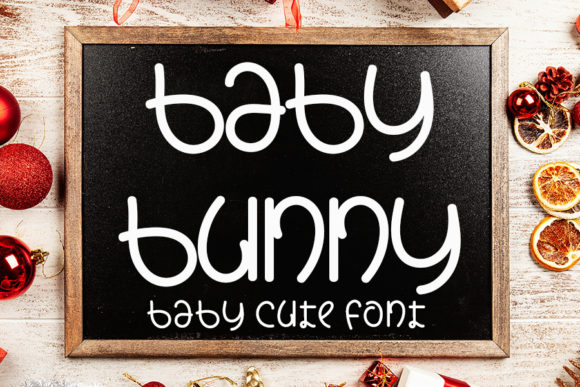
Baby Bunny is a display font that captures the essence of playfulness and charm. Designed with soft curves and a whimsical feel, it brings a sense of innocence and fun to any design project. This font is ideal for those looking to inject a touch of cuteness into their creative work, whether it's for branding, digital media, or print materials.
Understanding Baby Bunny
Baby Bunny is a typeface that stands out due to its unique character shapes and gentle strokes. It is categorized as a display font, which means it is best suited for headlines, logos, and other visual elements where impact and personality are key. The font’s name itself suggests its playful nature, making it a popular choice among designers who want to convey warmth and approachability.
The font features a variety of characters, including uppercase and lowercase letters, numbers, and symbols. Its design is inspired by the softness and innocence of a baby bunny, giving it a distinct aesthetic that can elevate the visual appeal of any project.
Reasons to Consider Baby Bunny
There are several reasons why someone might be interested in using Baby Bunny in their designs. First and foremost, its cheerful and quirky appearance makes it an excellent fit for projects targeting younger audiences or those with a playful theme. Whether you're designing a children's book, a promotional poster, or a social media graphic, Baby Bunny can add an extra layer of charm.
Another reason to consider Baby Bunny is its versatility. While it is primarily a display font, it can still be used effectively in various contexts. For example, it works well in titles, headings, and even short phrases where a more whimsical tone is desired. Its readability is also a plus, especially when used at larger sizes.
Benefits of Using Baby Bunny
- Playful Aesthetic: Baby Bunny brings a sense of joy and fun to any design, making it ideal for projects that aim to evoke positive emotions.
- Versatility: It can be used in a wide range of applications, from branding to digital content, making it a valuable addition to a designer's toolkit.
- Readability: Despite its quirky design, Baby Bunny maintains good legibility, especially when used appropriately in larger formats.
Potential Tradeoffs and Considerations
While Baby Bunny offers many benefits, there are also some considerations to keep in mind. One potential tradeoff is that it may not be suitable for all types of projects. For instance, it might not be the best choice for formal or professional settings where a more traditional or serious font would be more appropriate.
Additionally, since Baby Bunny is a display font, it may not be the best option for body text or long paragraphs. Its design is optimized for visual impact rather than extended reading, so it should be used sparingly and strategically within a design.
Another consideration is the availability of the font. Depending on the platform or software being used, access to Baby Bunny may require a purchase or subscription. Designers should ensure they have the proper licensing before incorporating it into their projects.
Situations Where Baby Bunny Is a Strong Fit
Baby Bunny shines in situations where a playful and engaging visual style is desired. It is particularly well-suited for projects such as:
- Children's books and educational materials
- Marketing campaigns targeting young audiences
- Social media graphics and posts
- Branding for businesses with a fun or lighthearted image
- Event invitations and party-related designs
In these scenarios, Baby Bunny can help create a cohesive and visually appealing look that aligns with the intended message or theme.
When Alternatives May Be Worth Considering
While Baby Bunny is a great choice for certain projects, there may be instances where alternative fonts are more appropriate. For example, if a project requires a more professional or elegant appearance, a serif or sans-serif font might be a better fit. Similarly, for projects involving long-form text, a font with higher readability and a more neutral design could be preferable.
Designers should also consider the target audience when selecting a font. If the project is aimed at a more mature demographic, a font like Baby Bunny may not be the best choice. In such cases, exploring other options that align with the audience's preferences and expectations is advisable.
Practical Decision-Making Insights
When deciding whether to use Baby Bunny, it's important to evaluate the overall goals of the project. Ask yourself: Does this font align with the message I want to convey? Will it enhance the visual appeal of my design without overshadowing the content?
It's also helpful to experiment with different fonts and see how they interact with the rest of the design elements. Sometimes, a font that seems perfect in isolation may not work as well when combined with other visuals or text styles.
Finally, consider the context in which the font will be used. Baby Bunny is best suited for short, impactful statements rather than lengthy passages. When used thoughtfully, it can make a significant difference in the overall look and feel of a design.
By carefully evaluating the needs of the project and the characteristics of Baby Bunny, designers can make informed decisions that lead to more effective and visually appealing results.