Yearbook Font
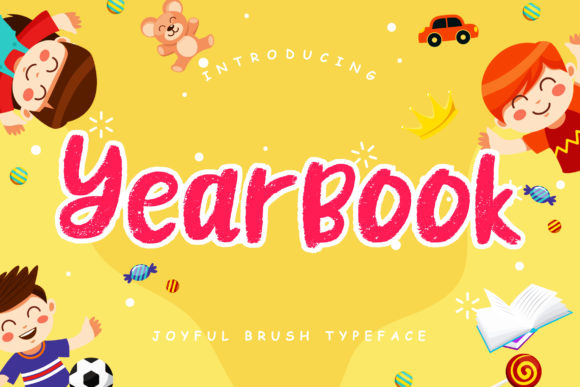
Yearbook is a joyful and friendly display font that brings warmth and personality to any design project. Designed with the help of a brush pen, it captures the organic, hand-drawn feel of traditional calligraphy while maintaining the clean lines and scalability needed for modern digital use. Whether you're crafting a brand identity, designing social media graphics, or creating editorial layouts, Yearbook adds a human touch that resonates with audiences. Its versatility makes it an excellent choice for designers looking to elevate their creative projects with a unique yet professional aesthetic.
The Role of Typography in Visual Communication
In graphic design, typography is more than just choosing a font—it's about conveying tone, emotion, and brand personality. Yearbook plays a crucial role in this process by offering a balance between playfulness and professionalism. It’s ideal for brands aiming to communicate approachability without sacrificing visual appeal. The font’s soft curves and subtle variations in stroke width give it a dynamic, expressive quality that works well across various media types, from print to digital platforms.
When used effectively, Yearbook can enhance readability and guide the viewer’s eye through a layout. Its character set includes a wide range of glyphs, ligatures, and stylistic alternates, allowing designers to create visually engaging compositions. This makes it particularly useful in branding and logo design, where first impressions are critical.
Practical Applications of Yearbook in Design Projects
Yearbook's versatility allows it to be applied in numerous creative contexts:
- Branding and Logo Design: Use Yearbook to craft logos that feel personal and inviting, especially for lifestyle, education, or community-based brands.
- Social Media Graphics: Incorporate the font into captions, headlines, or promotional banners to add a friendly, cohesive look to your content.
- Website and UI Design: Apply it to headings, buttons, or navigation elements to maintain a consistent visual hierarchy and improve user experience.
- Editorial Layouts: Enhance magazine spreads, blog headers, or newsletters with its expressive style to make text more engaging.
- Packaging Design: Create eye-catching product labels, packaging tags, or promotional materials that stand out on retail shelves.
By integrating Yearbook into these areas, designers can achieve a more polished and modern aesthetic that aligns with current design trends. Pairing it with complementary color palettes and imagery further enhances its impact, making it a valuable asset in any designer’s toolkit.
Tips for Selecting and Using Yearbook Effectively
To ensure Yearbook complements your design rather than distracts from it, consider the following tips:
- Maintain Consistency: Use Yearbook consistently across all brand-facing materials to reinforce brand recognition and visual unity.
- Consider Readability: While Yearbook is great for display purposes, avoid using it for long blocks of text. Reserve it for headlines, subheadings, or call-to-action buttons.
- Experiment with Pairings: Combine Yearbook with sans-serif fonts for body text to create a balanced contrast and improve legibility.
- Match Brand Identity: Ensure the font aligns with your brand’s voice and values. For instance, it may not be suitable for high-end luxury brands but works well for youthful, innovative, or community-driven ventures.
Thoughtful application of Yearbook ensures that it supports your design goals and enhances the overall user experience. As part of a broader creative strategy, it can significantly influence how your audience perceives and interacts with your brand.
Choosing the right typography is a key step in crafting a professional presentation that stands out in today’s competitive design landscape. Yearbook offers a unique opportunity to bring warmth and personality to your work, making it an invaluable addition to your creative resources. With careful consideration and strategic use, it can transform your projects into memorable, impactful experiences for your audience.