Shadowy: A Quirky Display Font That Elevates Creativity and Communication
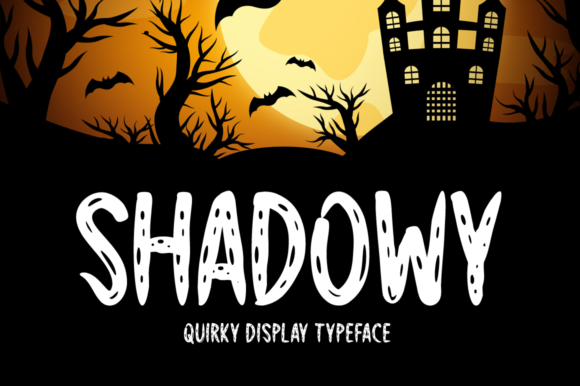
The font Shadowy is a unique display typeface that brings a sense of character and charm to any design. With its friendly feel and distinctive style, it stands out in a sea of generic fonts, making it an excellent choice for creative professionals, marketers, educators, and anyone looking to add personality to their visual communication.
Designed with versatility in mind, Shadowy blends well with both modern and traditional aesthetics. It can be used in a wide range of contexts, from branding materials to digital content, ensuring that your message is not only seen but also remembered. Whether you're creating a logo, designing a website, or preparing presentation slides, Shadowy adds a touch of individuality that sets your work apart.
Understanding the Role of Shadowy in Design Workflows
When integrating Shadowy into your design workflow, it's important to consider how it interacts with other elements such as color schemes, layout structures, and supporting text. As a display font, Shadowy is best suited for headlines, titles, and call-to-action buttons rather than body text. This ensures readability while still maintaining the font's unique character.
Before starting a project, take time to evaluate whether Shadowy aligns with the overall tone and purpose of your work. For example, if you're designing a children's book or a playful marketing campaign, Shadowy's whimsical nature will enhance the intended message. On the other hand, for more formal documents, it may be better to use it sparingly or pair it with a more conventional font.
Using Shadowy in Different Stages of a Project
Pre-Project: When planning a new project, consider Shadowy as part of your branding strategy. It can help establish a visual identity that reflects creativity and approachability. Use it in early concept sketches, mood boards, or brand guidelines to ensure consistency across all deliverables.
During Project Execution: As you develop your designs, Shadowy can be used to highlight key messages or emphasize important information. Pair it with clean sans-serif fonts for contrast and balance. Experiment with different weights and sizes to find the perfect fit for your layout.
Post-Project: After completing your work, review how Shadowy contributes to the final outcome. Ensure that it enhances rather than distracts from the main message. Gather feedback from stakeholders to see if the font meets their expectations and makes the content more engaging.
Integrating Shadowy with Other Tools and Resources
Shadowy works seamlessly with various design tools such as Adobe Photoshop, Illustrator, Canva, and Figma. These platforms allow you to customize the font's appearance by adjusting spacing, kerning, and letterforms to match your specific needs. Additionally, online font generators and CSS tools make it easy to apply Shadowy to web projects without requiring advanced technical skills.
When using Shadowy alongside other assets like images, icons, and illustrations, maintain a cohesive visual language. The font should complement these elements rather than compete with them. For instance, pairing Shadowy with bold colors or dynamic graphics can create a striking visual impact that draws attention to your content.
Practical Implementation Tips
- Use Shadowy for Headlines Only: Reserve Shadowy for headings, titles, and subheadings where its expressive nature can shine. Avoid using it for long paragraphs or small text where legibility might be compromised.
- Pair with Complementary Fonts: Combine Shadowy with a sans-serif or serif font for body text to create a balanced and professional look. This approach maintains readability while adding visual interest.
- Test Across Devices: Ensure that Shadowy displays correctly on different screens and devices. Test your designs on desktops, tablets, and mobile phones to avoid unexpected formatting issues.
- Optimize for Accessibility: While Shadowy is visually appealing, it's essential to prioritize accessibility. Use sufficient contrast between the font and background colors to ensure that all users can read the text comfortably.
Enhancing Workflow Efficiency with Shadowy
Incorporating Shadowy into your workflow can streamline your design process and improve productivity. By choosing a font that aligns with your brand's personality, you reduce the need for constant adjustments and revisions. This allows you to focus more on the creative aspects of your work rather than technical details.
Consider organizing your font library to include Shadowy along with other preferred fonts. This helps maintain consistency across multiple projects and ensures that you always have access to the right tools when needed. Additionally, setting up templates with pre-defined font styles can save time and effort, especially for repetitive tasks.
For teams working on collaborative projects, establishing clear guidelines for font usage is crucial. Documenting which fonts are appropriate for different types of content ensures that everyone follows the same standards, resulting in a more cohesive final product.
Long-Term Use and Quality Control
As you continue to use Shadowy in your work, monitor how it performs over time. Keep track of any changes in design trends or user preferences that might affect its relevance. Regularly update your font collection to stay current with evolving standards and technologies.
Implement quality control measures to ensure that Shadowy is used consistently and appropriately throughout your projects. Conduct periodic reviews of your work to identify areas where the font could be improved or replaced with a more suitable alternative. This proactive approach helps maintain high-quality output and supports continuous improvement.
By integrating Shadowy thoughtfully into your creative process, you can enhance the visual appeal of your work while maintaining professionalism and clarity. Its unique characteristics make it a valuable asset for anyone looking to stand out in today's competitive landscape.