Energy: A Bold Display Font That Electrifies Design
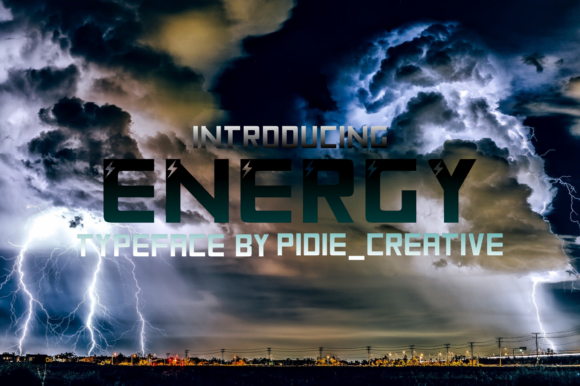
Energy is more than just a font—it's a visual force that brings typography to life with its bold, chunky letterforms and dynamic lightning strike accents. Designed for impact, this display font stands out in digital and print media alike, offering a unique blend of strength and style that can transform any message into an electrifying statement.
If you're looking for a font that commands attention, Energy might be the perfect choice. But like any design tool, it has its place and purpose. Understanding what makes Energy distinct, how it compares to similar fonts, and when it's the right fit can help you make an informed decision about whether it's the right choice for your next project.
What Is Energy and What Makes It Unique?
Energy is a display font that combines thick, blocky lettering with subtle lightning strike motifs integrated into the design of certain characters. This combination gives the font a sense of movement and power, making it ideal for headlines, logos, and other design elements where impact is key.
The bold weight of the font ensures legibility even at smaller sizes, while the lightning details add a layer of personality and flair. These features set Energy apart from many other display fonts that may prioritize elegance or minimalism over visual dynamism.
One of the most notable aspects of Energy is its versatility. While it's primarily designed for use in high-impact scenarios, its clean lines and structured forms also allow for creative reinterpretations in more stylized contexts.
How Does Energy Compare to Other Display Fonts?
When comparing Energy to other display fonts, it's important to consider the goals of the design project. Fonts such as Impact, Bebas Neue, and Montserrat are often used for similar purposes, but each has its own characteristics and tradeoffs.
- Impact: A classic sans-serif display font known for its simplicity and strength. While Impact lacks the decorative elements of Energy, it offers a more neutral and widely recognized look.
- Bebas Neue: Another popular bold sans-serif font, Bebas Neue shares similarities with Energy in terms of weight and structure. However, it doesn't include the lightning motif, which can make Energy feel more distinctive in certain applications.
- Montserrat: A more modern and versatile font, Montserrat is suitable for both display and body text. Unlike Energy, it's not as visually striking, making it better suited for projects that require a subtler approach.
Each of these fonts has its own strengths and weaknesses, and the choice between them will depend on the specific needs of the project. Energy excels in situations where a strong visual identity is essential, but it may not be the best option for content that requires readability across multiple platforms or devices.
Strengths and Tradeoffs of Using Energy
The primary strength of Energy lies in its ability to grab attention and convey energy through its visual design. This makes it particularly well-suited for branding, advertising, and promotional materials where first impressions are crucial.
However, there are also some tradeoffs to consider. Because of its bold and chunky nature, Energy may not be the best choice for long-form text or situations where readability is a priority. Additionally, the lightning accents may not be appropriate for all audiences or industries, especially those that prefer a more traditional or minimalist aesthetic.
Another consideration is file size. As with many display fonts, Energy may be larger in file size compared to simpler fonts, which could affect performance on websites or mobile applications. It's important to weigh the visual benefits against potential technical considerations before making a final decision.
When Is Energy the Right Choice?
Energy is best suited for projects where a strong visual presence is desired. This includes brand logos, marketing campaigns, event posters, and any other application where the goal is to create an immediate and memorable impression.
For example, a tech startup launching a new product might choose Energy for its website header to communicate innovation and power. Similarly, a music festival poster could benefit from the font's dynamic feel, helping to capture the excitement and energy of the event.
On the other hand, if the goal is to maintain a professional or academic tone, Energy may not be the best option. In these cases, a more refined or traditional font would likely be more appropriate.
Alternatives and Considerations
While Energy is a compelling choice for high-impact design, there are several alternatives worth considering depending on the specific requirements of the project.
- For a More Traditional Look: Fonts like Helvetica Bold or Arial Black offer a clean, professional appearance without the decorative elements of Energy.
- For a Modern Twist: Fonts like Poppins or Roboto Condensed provide a contemporary feel while maintaining readability and versatility.
- For Maximum Creativity: If the goal is to push the boundaries of design, experimenting with custom fonts or combining Energy with other typefaces could yield interesting results.
Ultimately, the best font for any project depends on a variety of factors, including the intended audience, the medium of delivery, and the overall design strategy. Energy should be considered as one of many tools in the designer's toolkit, rather than a one-size-fits-all solution.
Conclusion
Energy is a bold and dynamic display font that brings a sense of movement and power to any design. Its unique lightning accents and chunky letterforms make it ideal for projects that require a strong visual identity, but it's important to carefully evaluate whether it aligns with the overall goals and context of the work.
By understanding the strengths, tradeoffs, and best-fit scenarios for Energy, designers can make more informed decisions about when and how to use it effectively. Whether it's the perfect choice for a high-energy campaign or not, Energy remains a valuable option in the world of typography for those seeking to make a lasting impression.