Cyberflash: A Bold Display Font Inspired by Classic Typography
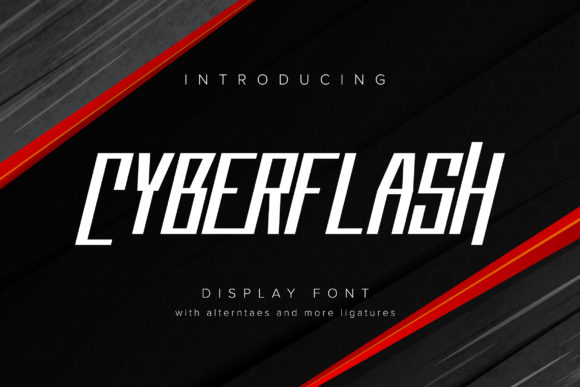
Cyberflash is a dynamic display font that blends the elegance of classic typography with a modern, edgy flair. Designed for impact, it brings a unique style to any design project, making it an excellent choice for headlines, logos, and eye-catching text elements. Whether you're working on web content, print materials, or moving images, Cyberflash can elevate your visual communication with its striking character and versatility.
Why Cyberflash Stands Out in Design Projects
Cyberflash isn't just another font; it's a statement. Its design is inspired by the boldness of vintage typefaces but updated with contemporary strokes and spacing that make it highly readable even at smaller sizes. This makes it ideal for both large banners and small captions, ensuring consistency across different platforms and mediums.
Designers often look for fonts that can adapt to various contexts without losing their identity. Cyberflash meets this need by offering maximum and minimum variations within its design, allowing for creative flexibility while maintaining legibility. It’s especially useful for projects where visual hierarchy is crucial, such as websites, marketing collateral, and digital presentations.
Common Mistakes When Choosing Cyberflash
While Cyberflash is a powerful tool, using it incorrectly can lead to suboptimal results. One common mistake is assuming that because it's a display font, it can replace body text. This is a critical error. Display fonts like Cyberflash are not meant for long blocks of text due to their stylized features, which can reduce readability over extended passages.
Another frequent oversight is ignoring the font’s weight and spacing when pairing it with other typefaces. Using Cyberflash alongside a serif or sans-serif font without considering contrast can create visual clutter, making the message harder to absorb. Always ensure that your font choices complement each other rather than compete.
How These Mistakes Impact Your Design
Using Cyberflash inappropriately can affect the overall usability and effectiveness of your design. For instance, if you use it for body text, readers may find the content difficult to read, leading to decreased engagement. Similarly, poor font pairing can cause confusion and distract from the core message.
These issues can also influence the perceived professionalism of your work. A well-designed piece should communicate clarity and purpose. If the typography doesn’t support that goal, your audience might not take your content seriously, impacting trust and credibility.
Practical Advice for Using Cyberflash Effectively
To avoid these pitfalls, start by understanding where Cyberflash shines. Use it for headlines, titles, and call-to-action buttons where visual impact is key. Reserve more readable fonts for body text, ensuring that your content remains accessible to all readers.
When pairing Cyberflash with other fonts, consider the contrast between them. A good rule of thumb is to pair a bold, stylized font like Cyberflash with a clean, simple font for body text. This creates a balance that guides the reader's eye naturally from the headline to the supporting content.
Additionally, always test your designs across different devices and screen sizes. Cyberflash looks spectacular on high-resolution displays, but it’s important to verify that it remains legible on mobile devices and in print formats. Adjusting font size and line spacing can help maintain readability without sacrificing style.
What to Check Before Using Cyberflash
Before committing to Cyberflash for a project, consider the following:
- Purpose: Is Cyberflash suitable for the intended use? Ensure it aligns with the tone and message of your project.
- Legibility: Test how Cyberflash appears at different sizes and on various backgrounds. Avoid using it in low-contrast environments where it might become hard to read.
- Compatibility: Verify that Cyberflash works well with your design software and platforms. Some fonts may have licensing restrictions that limit their use in certain applications.
- Licensing: Understand the terms of use for Cyberflash. If you're using it for commercial purposes, ensure you have the appropriate license to avoid legal issues.
Realistic Examples and Better Approaches
Imagine designing a promotional poster for a tech event. Using Cyberflash for the main headline will immediately grab attention, but applying it to the entire poster would overwhelm the viewer. Instead, use Cyberflash for the title and tagline, then switch to a more readable sans-serif font for the rest of the text. This approach maintains visual interest without compromising clarity.
Another example is a website landing page. Placing Cyberflash on the hero section's headline can draw users in effectively. However, using it throughout the site, including in paragraphs, could reduce readability. Stick to using Cyberflash sparingly and strategically to maximize its impact.
By following these guidelines, you can ensure that Cyberflash enhances your design rather than detracts from it. It’s all about knowing when to use it and when to step back for better results.
In summary, Cyberflash is a versatile and stylish font that can add a unique touch to your design projects. However, using it correctly requires thoughtful consideration of its strengths and limitations. By avoiding common mistakes and applying practical advice, you can harness the full potential of Cyberflash to create visually compelling and effective designs.